

Okay, so quick confession: I bounced between wallets for months. Really. My instinct kept tugging me back to the usual suspects, but something felt off about the UX and security trade-offs—so I went hunting for a better middle ground. Wow. What I found surprised me in small, practical ways that matter if you trade, bridge, or just hate paying gas for mistakes.
Here’s the thing. Multi-chain means more surface area. You want convenience, but you also want sanity checks before you hit send. Rabby wallet lands in that awkward sweet spot: not trying to be everything, but doing the critical things well. Initially I thought it was just another browser extension. Actually, wait—let me rephrase that: it looks like a regular extension until you poke under the hood and realize how many little quality-of-life features it packs.
Seriously? Yep. I tested swapping, bridging, and contract approvals across several chains. On one hand it’s smooth—though actually, on the other, some parts felt like they were built by people who actually use DeFi daily, not designers guessing what traders want. That matters. My gut said this would save me gas and avoid nasty approval mistakes. And in practice, it did—often.
What’s different about Rabby
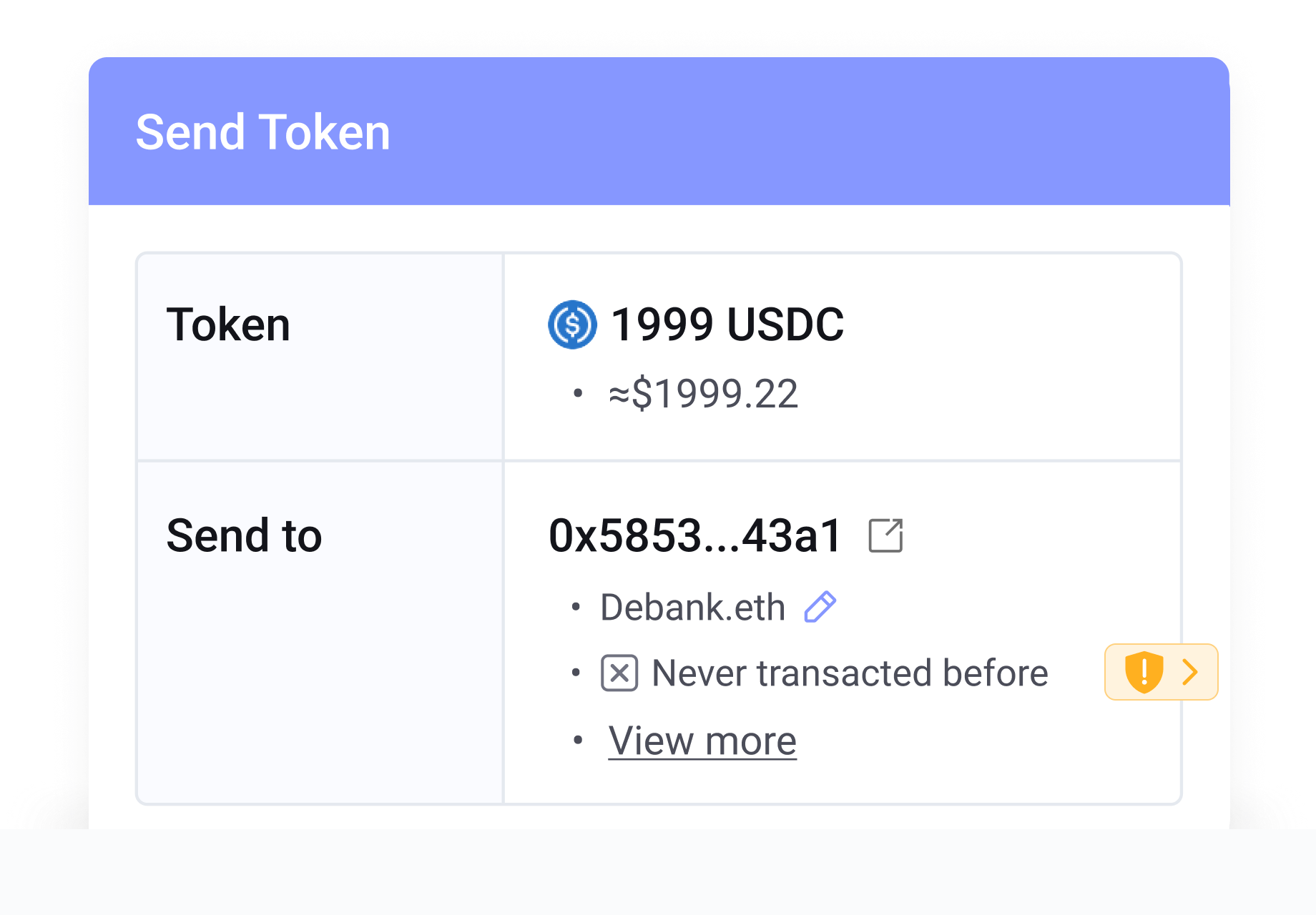
Short answer: transaction simulation and approval controls. Medium answer: it simulates transactions so you can see estimated gas, token movements, and potential failures before signing. Long answer: the simulation engine combines mempool analysis and local estimation that flags risky approvals and shows how much you’ll actually spend, which—if you’re like me—prevents a lot of facepalm moments.
Check this out—I’ve bookmarked my go-to Rabby download page because I wanted an easy reference: https://sites.google.com/cryptowalletextensionus.com/rabby-wallet/. It’s where I started the extension install and then dug into settings, permissions, and the approval guard. (oh, and by the way… the install flow is refreshingly straightforward.)
Transaction simulation isn’t just flashy. It actually filters out many common failures: slippage gone wild, out-of-gas reverts, and hidden contract calls. Hmm… that sounded nerdy before, but it’s the difference between losing 0.1 ETH in a revert and keeping it in your pocket. Tiny things like unreadable token names or misleading contract labels are flagged, which reduces phishing-like mistakes.
Multi-chain without the mess
Rabby supports many EVM chains and presents them cleanly. Short sentence: it’s convenient. Medium sentence: you can add custom networks quickly and switch contexts without losing track of which account is on which chain. Longer thought: because it separates networks and shows the active chain per-tab, you avoid accidentally approving a permission on mainnet when you thought you were on testnet or some L2—which, trust me, has bitten me before—and that small UX cue is worth a lot over time.
On the nuance side, account management is pretty pragmatic. You can create multiple accounts, import existing private keys or seed phrases, and use hardware wallets like Ledger. My experience with a Ledger plus Rabby was solid—though I’m not 100% sure every edge-case is perfect; hardware firmware updates sometimes introduce oddities. Still, Rabby handled signing prompts and address derivation smoothly.
One missing piece that bugs me: mobile parity. Rabby is built around browser workflows, so if you live in on-chain mobile-first world—well, you’ll need a bridge between your phone and extension or use WalletConnect with caveats. Not ideal, but it’s an honest tradeoff for a feature-rich desktop extension.
Approval management—actually useful
Okay—this is the part I keep coming back to. Approval hijacks are real. Short thought: revoke, frequently. Medium: Rabby surfaces approvals per token and per dApp, and lets you revoke or set limited allowances without digging into Etherscan. Long: because it keeps a tidy history and warns about unlimited approvals, you can protect funds proactively instead of waiting for a headline-breach and then scrambling.
On one hand the interface is friendly. On the other hand, if you’re obsessive about on-chain privacy, some telemetry-like network calls during simulation made me pause—though Rabby documents what they’re for and you can adjust settings. Initially I thought that was a red flag, but after exploring I realized the data is used to improve local estimates and it’s not some shadowy analytics grab. Still—I like transparency, so I respect that Rabby shows its behavior and lets you opt-out where possible.
For the power user: gas and simulation features
Rabby’s gas controls deserve a nod. Short: you can set custom gas. Medium: it suggests speeds and shows estimated final cost, but it goes deeper by simulating a transaction’s likely gas usage, which is especially handy for complex contract interactions. Longer thought: if you trade options, interact with aggregators, or relay transactions through Flashbots sometimes, the simulation insights can save you from ordering a very expensive mistake.
And look—I’ll be honest: simulation isn’t infallible. There are times mempool dynamics or MEV behavior create surprises. Rabby reduces the risk, not eliminate it. But it reduces it a lot for everyday activity, and that’s what many folks need.
Security, but human-friendly
Security features feel practical rather than performative. Short: hardware support. Medium: phishing detection and approval warnings. Longer: Rabby integrates guardrails like suspicious contract detection and visual cues for known scams, which reduces cognitive load—especially useful if you’re hopping across yield farms late at night and making fast decisions (guilty as charged).
One caveat—if you want military-grade opsec you’ll pair Rabby with more tooling and strict habits. But for the balance of usability and protection, it’s one of the better browser extension wallets I’ve used. My bias? I prefer tools that save me time and mistakes rather than those that require me to jump through extra hoops every time. Rabby fits that preference.
FAQ
Is Rabby safe to use as my daily multi-chain wallet?
Short answer: yes, for most users. It supports hardware wallets, has approval controls, and transaction simulation. Medium answer: combine Rabby with a hardware wallet and regular allowance revocations for stronger safety. Longer answer: no extension is a silver bullet—practice good key management, watch for phishing, and keep firmware and extensions up to date.
Can I use Rabby across many EVM chains?
Yes. It supports several EVM-compatible networks and custom RPCs. You’ll get per-chain context in the UI so that approvals and balances don’t get mixed up. That said, some niche L2s or experimental networks might need manual setup.
Where do I download Rabby safely?
Use the official extension distribution or the wallet’s documented links. I started mine here: https://sites.google.com/cryptowalletextensionus.com/rabby-wallet/. Always verify the source and extension ID when installing, and avoid random links from social media DMs.
So what now? If you care about multi-chain convenience without giving up meaningful safety checks, Rabby is worth a trial. I’m biased, sure—but after a few weeks of day-to-day use it shaved time off my workflows and saved me from dumb mistakes. Something about that feels good.
One last thought—if you’re a heavy mobile-only user, Rabby won’t solve everything. But if you’re a DeFi power user working in a browser, it could easily become your default. Hmm… guess I found my go-to extension. Not perfect, but very useful. And yeah, I still click revoke sometimes, because habits die hard and it’s very very important.